

Thursday, February 18, 2027
Daily Panchang
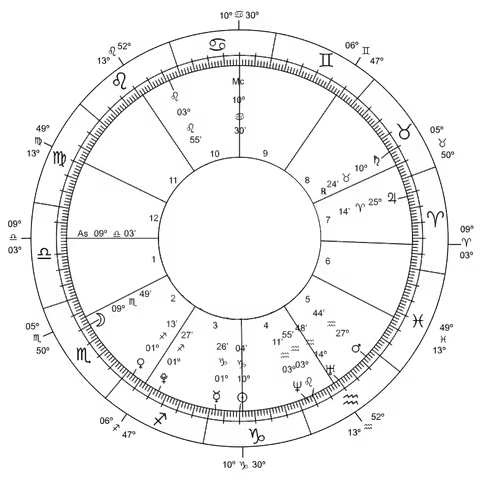
Thursday, Shukla Paksha. The tithi is Dwadashi till afternoon, then Trayodashi begins. Dwadashi ends the Ekadashi fast and is a gentle, restful day. The Moon is in Punarvasu nakshatra till night, then Pushya. Amrit Siddhi Yoga is formed on this day, an auspicious time for new work. Abhijit Muhurta (12:12 – 12:57) is good for new work; avoid Rahu Kaal (13:59 – 15:24). The Moon is in Mithuna rashi and the Sun in Kumbha.
Purushottam Maas
Adhika Magha
Sacred lunar leap month — a time for fasting, charity, and devotional practice.
Tithi · Weekday · Lunar month
-
Shukla Dwadashi
from Previous day 17:32 till 14:28
-
then
Shukla Trayodashi
14:28 – Next day 11:14
Dwadashi — concludes the Ekadashi fast. A gentle, restorative day.
-
Thursday
Thursday — ruled by Jupiter. The most auspicious weekday; favourable for learning, ceremony, and new beginnings.
- AmantaMaghaPurnimantaMagha
Nakshatra · Yoga · Karana
-
Punarvasu
from Previous day 23:29 till 21:05
-
then
Pushya
21:05 – Next day 18:35
Movable nakshatra — favours travel, transitions, and changes of scenery.
-
-
Ayushman
from 02:38 till 22:50
-
then
Saubhagya
22:50 – Next day 18:58
An auspicious yoga — the Sun and Moon stand in a favourable relation. Considered supportive for most new beginnings.
-
-
Balava
from 04:01 till 14:28
-
then
Kaulava
14:28 – Next day 00:52
A movable (chara) karana — one of the seven that repeat through the month. Fine for everyday work.
-
Day at a glance
Panchang windows not defined here today
Choghadiya, Gowri and Rahu Kaal each divide local daylight into eight parts. At very high latitudes (above ~66°) the sun can stay up — or stay down — for the whole day, so a local sunrise/sunset pair doesn't exist for this date. Tithi, nakshatra and yoga above are still valid.
A timing system used mainly in Gujarat, Rajasthan and North India: eight day windows and eight night windows, each rated good, neutral, or bad. A quick way to pick (or avoid) a slot for an everyday task.
A South Indian tradition that splits the day and night into eight Gowri windows each — used for picking auspicious slots for everyday work.
A short-list of the seven most important windows — three auspicious (Brahma, Abhijit, Amrit) and four to avoid (Rahu Kaal, Yamaganda, Gulika, Varjyam). Some days may show fewer if a window isn't computed.
Each day and night splits into twelve planetary hours, each ruled by a planet. The ruling planet sets the hour's tone — pick an hour whose ruler suits the task.
Shukla Dwadashi · Thu
Feb 18
Daily Panchang
Daytime periods
8·1h 24m| 06:5708:21 | ||
| 08:2109:46 | ||
| 09:4611:10 | ||
| 11:1012:35 | ||
| 12:3513:59 | ||
| 13:5915:24 | ||
| 15:2416:48 | ||
| 16:4818:13 |
Night periods
8·1h 35m| 18:1319:48 | ||
| 19:4821:24 | ||
| 21:2422:59 | ||
| 22:5900:34 | ||
| 00:3402:10 | ||
| 02:1003:45 | ||
| 03:4505:21 | ||
| 05:2106:56 |
| 05:15–06:06 | ||
| 12:12–12:57 | ||
| 18:56–20:22 | ||
| 13:59–15:24 | ||
| 06:57–08:21 | ||
| 09:46–11:10 | ||
| 10:17–11:44 |
Daytime hours
12·56 min| 06:5707:53 | ||
| 07:5308:49 | ||
| 08:4909:46 | ||
| 09:4610:42 | ||
| 10:4211:38 | ||
| 11:3812:35 | ||
| 12:3513:31 | ||
| 13:3114:27 | ||
| 14:2715:24 | ||
| 15:2416:20 | ||
| 16:2017:16 | ||
| 17:1618:13 |
Night hours
12·1h 4m| 18:1319:16 | ||
| 19:1620:20 | ||
| 20:2021:24 | ||
| 21:2422:27 | ||
| 22:2723:31 | ||
| 23:3100:34 | ||
| 00:3401:38 | ||
| 01:3802:42 | ||
| 02:4203:45 | ||
| 03:4504:49 | ||
| 04:4905:52 | ||
| 05:5206:56 |
Calculated using Lahiri ayanamsa and the Drik Ganita (true-position) method.
Frequently Asked Questions
- What is the tithi on February 18, 2027?
- On February 18, 2027, Shukla Dwadashi lasts till 14:28, then Shukla Trayodashi begins.
- What is the nakshatra on February 18, 2027?
- The nakshatra is Punarvasu and the yoga is Ayushman.
- When are sunrise and sunset on February 18, 2027?
- In New Delhi, sunrise is at 06:57 and sunset is at 18:13.
- When is Rahu Kaal on February 18, 2027?
- In New Delhi, Rahu Kaal is from 13:59 to 15:24. Important new work is traditionally not started in this window.