

Sunday, January 18, 2026
Daily Panchang
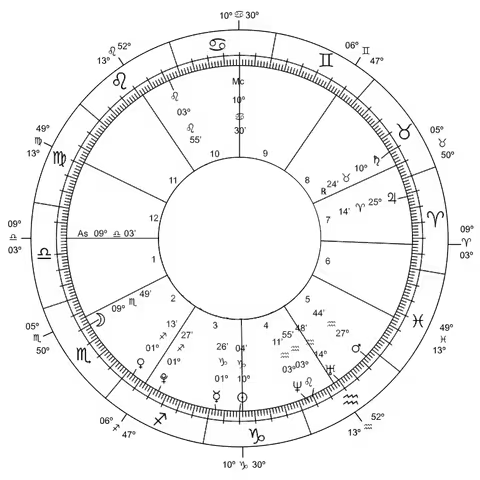
Sunday, Krishna Paksha. The tithi is Amavasya till early morning the next day, then Pratipada begins. Amavasya is the new moon, a day for ancestors, quiet and reflection. The Moon is in Purva Ashadha nakshatra till morning, then Uttara Ashadha. Sarvartha Siddhi Yoga is formed on this day, an auspicious time for new work. Abhijit Muhurta (12:10 – 12:52) is good for new work; avoid Rahu Kaal (16:29 – 17:48). The Moon is in Dhanu rashi and the Sun in Makara.
Purushottam Maas
Adhika Pausha
Sacred lunar leap month — a time for fasting, charity, and devotional practice.
Tithi · Weekday · Lunar month
-
Amavasya
from 00:04 till Next day 01:21
Amavasya — the new moon. A day for pitru tarpan, quiet worship and rest; new starts are avoided.
-
Sunday
Sunday — ruled by the Sun. A day of vitality and authority; good for leadership tasks and self-care.
- AmantaPaushaPurnimantaMagha
Nakshatra · Yoga · Karana
-
Purva Ashadha
from Previous day 08:12 till 10:14
-
then
Uttara Ashadha
10:14 – Next day 11:52
Fierce nakshatra — traditionally avoided for major new beginnings; better for completing or breaking patterns.
-
-
Harshana
from Previous day 21:18 till 21:11
-
then
Vajra
21:11 – Next day 20:45
An auspicious yoga — the Sun and Moon stand in a favourable relation. Considered supportive for most new beginnings.
-
-
Chatushpada
from 00:04 till 12:46
-
then
Naga
12:46 – Next day 01:21
A fixed karana — these occur only at month-end and mark transitions. Often used for finishing pending matters.
-
Day at a glance
Panchang windows not defined here today
Choghadiya, Gowri and Rahu Kaal each divide local daylight into eight parts. At very high latitudes (above ~66°) the sun can stay up — or stay down — for the whole day, so a local sunrise/sunset pair doesn't exist for this date. Tithi, nakshatra and yoga above are still valid.
A timing system used mainly in Gujarat, Rajasthan and North India: eight day windows and eight night windows, each rated good, neutral, or bad. A quick way to pick (or avoid) a slot for an everyday task.
A South Indian tradition that splits the day and night into eight Gowri windows each — used for picking auspicious slots for everyday work.
A short-list of the seven most important windows — three auspicious (Brahma, Abhijit, Amrit) and four to avoid (Rahu Kaal, Yamaganda, Gulika, Varjyam). Some days may show fewer if a window isn't computed.
Each day and night splits into twelve planetary hours, each ruled by a planet. The ruling planet sets the hour's tone — pick an hour whose ruler suits the task.
Amavasya · Sun
Jan 18
Daily Panchang
Daytime periods
8·1h 19m| 07:1408:33 | ||
| 08:3309:53 | ||
| 09:5311:12 | ||
| 11:1212:31 | ||
| 12:3113:50 | ||
| 13:5015:10 | ||
| 15:1016:29 | ||
| 16:2917:48 |
Night periods
8·1h 41m| 17:4819:29 | ||
| 19:2921:10 | ||
| 21:1022:50 | ||
| 22:5000:31 | ||
| 00:3102:12 | ||
| 02:1203:52 | ||
| 03:5205:33 | ||
| 05:3307:14 |
| 05:26–06:20 | ||
| 12:10–12:52 | ||
| 05:02–06:44 | ||
| 16:29–17:48 | ||
| 12:31–13:50 | ||
| 15:10–16:29 | ||
| 18:47–20:29 |
Daytime hours
12·53 min| 07:1408:07 | ||
| 08:0709:00 | ||
| 09:0009:53 | ||
| 09:5310:45 | ||
| 10:4511:38 | ||
| 11:3812:31 | ||
| 12:3113:24 | ||
| 13:2414:17 | ||
| 14:1715:10 | ||
| 15:1016:02 | ||
| 16:0216:55 | ||
| 16:5517:48 |
Night hours
12·1h 7m| 17:4818:55 | ||
| 18:5520:02 | ||
| 20:0221:10 | ||
| 21:1022:17 | ||
| 22:1723:24 | ||
| 23:2400:31 | ||
| 00:3101:38 | ||
| 01:3802:45 | ||
| 02:4503:52 | ||
| 03:5205:00 | ||
| 05:0006:07 | ||
| 06:0707:14 |
Calculated using Lahiri ayanamsa and the Drik Ganita (true-position) method.
Frequently Asked Questions
- What is the tithi on January 18, 2026?
- On January 18, 2026, Amavasya lasts till 01:21 on 19 Jan, then Shukla Pratipada begins.
- What is the nakshatra on January 18, 2026?
- The nakshatra is Purva Ashadha and the yoga is Harshana.
- When are sunrise and sunset on January 18, 2026?
- In New Delhi, sunrise is at 07:14 and sunset is at 17:48.
- When is Rahu Kaal on January 18, 2026?
- In New Delhi, Rahu Kaal is from 16:29 to 17:48. Important new work is traditionally not started in this window.