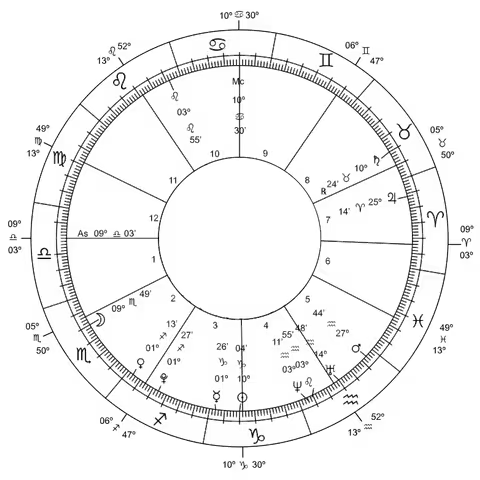
Thursday, Shukla Paksha. Holika Dahan falls on this day. The tithi is Chaturdashi till morning, then Purnima begins. Chaturdashi is an intense day. Take big decisions with care. The Moon is in Purva Phalguni nakshatra till morning the next day, then Uttara Phalguni. Abhijit Muhurta (12:06 – 12:54) is good for new work; avoid Rahu Kaal (14:00 – 15:29). The Moon is in Simha rashi and the Sun in Kumbha.
Bhadra covers the kaal this year, so the rite waits for Bhadra to end and is kept while the tithi still stands.
The bonfire on the eve of Holi, lit at dusk while the Phalguna Purnima stands and Bhadra has passed. It burns away the year's ill will and recalls Prahlad, whom the fire could not touch.
Also on this day
🔥
Chhoti Holi
North India
The evening of Holika Dahan is called Chhoti Holi in the north: the bonfire is lit after sunset and the colours follow the next morning.
✦
Purushottam Maas
·
Adhika Phalguna
Sacred lunar leap month — a time for fasting, charity, and devotional practice.
Tithi · Weekday · Lunar month
TithiThe Hindu calendar's lunar day — measured by how far the moon has moved from the sun. Festivals are anchored to specific tithis (Ekadashi, Purnima…) rather than fixed Gregorian dates.Learn more in glossary
Shukla Chaturdashi
fromPrevious day09:12till10:36
then
Purnima
10:36–Next day12:24
Chaturdashi — an intense, transformative day. Best used cautiously for major decisions.
WeekdayThe weekday, each governed by one of seven classical planets — Sunday/Sun, Monday/Moon, and so on. Each day inherits the temperament of its ruling planet.Learn more in glossary
Thursday
Thursday — ruled by Jupiter. The most auspicious weekday; favourable for learning, ceremony, and new beginnings.
Lunar monthA month in the Hindu lunar calendar. Two start conventions co-exist — Amanta begins at new moon, Purnimanta at full moon — so the same month carries two names depending on the region.Learn more in glossary
AmantaPhalguna
PurnimantaPhalguna
Nakshatra · Yoga · Karana
NakshatraThe lunar mansion (one of 27) the Moon is in. Each carries its own qualities, used to read birth charts and pick auspicious windows.Learn more in glossary
Purva Phalguni · Pada 1
from04:05tillNext day06:19
Fierce nakshatra — traditionally avoided for major new beginnings; better for completing or breaking patterns.
YogaA sun-moon combination that colours the day's overall character. Two-thirds of the 27 yogas are considered auspicious; nine (Vishkambha, Atiganda, Shula, Ganda, Vyaghata, Vajra, Vyatipata, Parigha, Vaidhriti) call for restraint.Learn more in glossary
Dhriti
fromPrevious day13:00till13:02
then
Shula
13:02–Next day13:23
An auspicious yoga — the Sun and Moon stand in a favourable relation. Considered supportive for most new beginnings.
KaranaHalf a tithi — every lunar day has two karanas in sequence. Useful when you need finer timing than a full tithi offers.Learn more in glossary
Vanij
fromPrevious day21:51till10:36
then
Vishti
10:36–23:27
then
Bava
23:27–Next day12:24
A movable (chara) karana — one of the seven that repeat through the month. Fine for everyday work.
Day at a glance
Panchang windows not defined here today
Choghadiya, Gowri and Rahu Kaal each divide local daylight into eight parts. At very high latitudes (above ~66°) the sun can stay up — or stay down — for the whole day, so a local sunrise/sunset pair doesn't exist for this date. Tithi, nakshatra and yoga above are still valid.
ChoghadiyaA timing system used mainly in Gujarat, Rajasthan and North India: eight day windows and eight night windows, each rated good, neutral, or bad. A quick way to pick (or avoid) a slot for an everyday task.Learn more in glossary
A timing system used mainly in Gujarat, Rajasthan and North India: eight day windows and eight night windows, each rated good, neutral, or bad. A quick way to pick (or avoid) a slot for an everyday task.
Gowri PanchangamA South Indian tradition that splits the day and night into eight Gowri windows each — used for picking auspicious slots for everyday work.Learn more in glossary
A South Indian tradition that splits the day and night into eight Gowri windows each — used for picking auspicious slots for everyday work.
Best & avoidA short-list of the seven most important windows — three auspicious (Brahma, Abhijit, Amrit) and four to avoid (Rahu Kaal, Yamaganda, Gulika, Varjyam). Some days may show fewer if a window isn't computed.Learn more in glossary
A short-list of the seven most important windows — three auspicious (Brahma, Abhijit, Amrit) and four to avoid (Rahu Kaal, Yamaganda, Gulika, Varjyam). Some days may show fewer if a window isn't computed.
HoraEach day and night splits into twelve planetary hours, each ruled by a planet. The ruling planet sets the hour's tone — pick an hour whose ruler suits the task.Learn more in glossary
Each day and night splits into twelve planetary hours, each ruled by a planet. The ruling planet sets the hour's tone — pick an hour whose ruler suits the task.
Shukla Chaturdashi · Thu
Mar 13
Daily Panchang
GoodMixedAvoid
☀️
Daytime periods
8·1h 29m
ShubhAuspicious — favourable for new starts, ceremonies, and study.Learn more in glossary
06:3308:02
RogSickness — avoid important work, especially health-related matters.Learn more in glossary