Western Astrology Guide
Western astrology is a system of divination based on the construction of a horoscope for an exact moment in time and place. Rooted in Hellenistic traditions dating back over 2,000 years, it uses the tropical zodiac — anchored to the seasons and the vernal equinox — to map the positions of celestial bodies and interpret their influence on human affairs and personality.
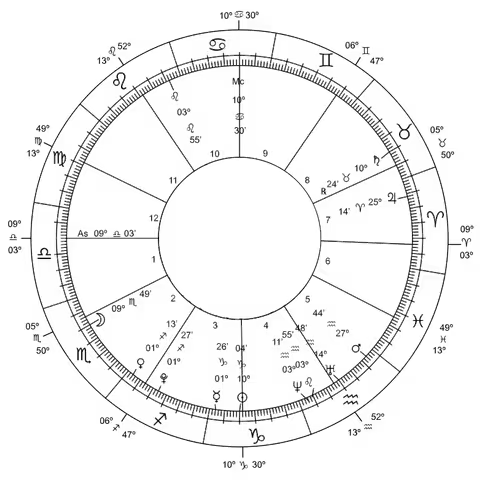
A birth chart (natal chart) is a snapshot of the sky at the moment you were born, viewed from your birthplace. It contains four essential building blocks: zodiac signs, planets, houses, and aspects. Together, they create a detailed portrait of your personality, strengths, challenges, and life path.
Zodiac Signs
12 Signs
The 12 signs of the tropical zodiac, from Aries to Pisces, each representing a distinct archetype of human experience.
Explore Zodiac Signs →Planets
10 Planets
The 10 celestial bodies that drive your chart — from the personal luminaries to the transpersonal outer planets.
Explore Planets →Houses
12 Houses
The 12 houses divide your chart into life domains, from identity and finances to career and spirituality.
Explore Houses →Aspects
7 Aspects
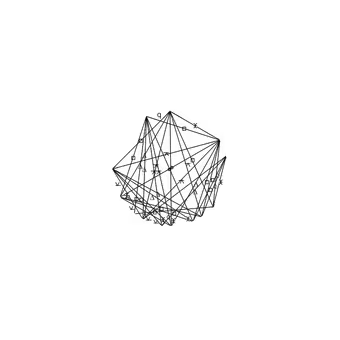
The angular relationships between planets that reveal how different parts of your personality interact.
Explore Aspects →Key Principles of Western Astrology
The Tropical Zodiac
Western astrology uses the tropical zodiac, which fixes the start of Aries to the vernal equinox (around March 20–21). This means the zodiac is tied to Earth's seasons rather than the actual constellation positions. As the seasons shift predictably each year, the tropical zodiac provides a consistent, season-based framework for interpretation.
The Birth Chart
The natal chart is a circular map of the sky at the exact time and location of your birth. It plots the positions of the Sun, Moon, and planets across the 12 zodiac signs and 12 houses. The Ascendant (rising sign), Midheaven, and the network of planetary aspects give each chart its unique fingerprint — no two charts are identical.
Planetary Rulerships
Each zodiac sign is governed by a ruling planet that resonates most naturally with its energy. Traditional rulerships use only the seven visible planets, while modern rulerships assign Uranus, Neptune, and Pluto to Aquarius, Pisces, and Scorpio respectively. Many astrologers use both systems for a layered interpretation.
Western vs. Vedic Astrology
| Feature | Western | Vedic (Jyotish) |
|---|---|---|
| Zodiac | Tropical (season-based) | Sidereal (constellation-based) |
| Primary Focus | Psychological growth and self-awareness | Karma, destiny, and predictive timing |
| Planets Used | 10 (includes Uranus, Neptune, Pluto) | 9 Navagraha (includes Rahu and Ketu) |
| Sign Offset | N/A | ~24° (Ayanamsha) |
| House System | Placidus, Whole Sign, Equal | Whole Sign (primarily) |
| Timing System | Transits, progressions, solar returns | Dasha system, transits (Gochar) |
Both systems are valid and offer complementary insights. Western astrology tends to emphasise psychological self-understanding and personal growth, while Vedic astrology focuses more on karmic patterns and precise predictive timing. Many modern astrologers study both traditions to gain a fuller picture. Explore our Vedic zodiac signs, Navagraha planets, Vedic houses for the Jyotish perspective.
Get Your Personalised Reading
Ready to explore your birth chart? Our AI astrologer can interpret your planetary placements, house positions, and aspects to give you a detailed, personalised reading.
Start Your Free Reading